Sunday, March 24, 2024

Brave New World, Tentative Version, Part 8: "Monsters on the Marquee: Hollywood's Golden Age of Horror"


Intrigued by how AI can impact my writing, I'm presenting side-by-side comparisons of past articles and their revisions made with Google's Gemini Artificial Intelligence. Brace yourselves!


AI Version of an article that appeared here


"Monsters on the Marquee: Hollywood's Golden Age of Horror" 


The 1930s were a dark time for America. The Great Depression gripped the nation, leaving millions jobless and homeless. People sought escape from their harsh realities in the flickering lights of movie theaters. Hollywood studios obliged, churning out films that offered thrills and chills in place of daily struggles.

For a mere dime, audiences could lose themselves in a world of fantastical creatures and the brave heroes who battled them. This era, spearheaded by Universal Studios,  birthed the classic movie monsters that continue to haunt our collective nightmares – even nine decades later.

The Classic Movie Monsters of Universal Pictures

Dracula (1931): The Birth of a Legend

In 1931, Tod Browning brought Bram Stoker's iconic 1897 novel Dracula to life on the big screen. This wasn't just any adaptation; it set the template for countless vampire movies to come. Bela Lugosi's portrayal of the count was a revelation: suave, seductive, and utterly terrifying. We learned of the vampire's aversion to religious symbols and sunlight, and the chilling method of dispatching them – a stake through the heart. The film became a box office smash, reviving the struggling Universal Studios and catapulting Lugosi to superstardom.

Frankenstein (1931): Reanimating a Classic


Fueled by the success of Dracula, Universal Studios head Carl Laemmle Jr. searched for more chills to deliver to horror-hungry audiences. Their next target: Mary Shelley's 1818 novel, Frankenstein; or, The Modern Prometheus. Director James Whale, with the help of makeup maestro Jack Pierce and special effects whiz Kenneth Strickfaden, brought Shelley's vision to life. Colin Clive donned the iconic lab coat as the obsessed scientist, while Boris Karloff as his monstrous creation, stitched together from body parts, became an instant horror icon. Just like Dracula, Frankenstein became a critical and commercial darling, thanks in part to Karloff's surprisingly sympathetic portrayal of the misunderstood creature.

The Mummy (1932): Unveiling a New Terror


Universal kept their golden ghouls, Bela Lugosi and Boris Karloff, busy after their 1931 breakout roles. While Lugosi starred in Murders in the Rue Morgue (1932), Karloff pulled double duty in The Mummy (1932), directed by Karl Freund. Freund, a pioneer of the "unchained" camera, allowed the audience to virtually explore the ancient Egyptian tombs and temples, immersing them in a tale of love and immortality that transcended centuries.

Beyond Monsters: Exploring Societal Fears


Beyond the chills of the supernatural, Universal tapped into the growing anxieties of the time. People were wary of science's potential to unleash unforeseen horrors. Was science playing God? What divine retribution awaited such hubris? These questions simmered beneath the surface, and characters like Dr. Frankenstein, Dr. Jekyll, and Dr. Moreau became chilling embodiments of those fears on the silver screen.

The Invisible Man (1933): Terror Unseen

James Whale returned to the director's chair for this adaptation of H.G. Wells' novel. Claude Rains takes on the role of Jack Griffin, a scientist whose quest for invisibility takes a horrifying turn, driving him to madness. Griffin's unseen presence becomes a chilling embodiment of the growing societal distrust of science. The film was lauded for its groundbreaking special effects, particularly the scene where Griffin removes his bandages, revealing his invisibility in a way that sent shivers down audiences' spines.

Werewolf of London (1935): The Howl Begins

Director Stuart Walker unleashed the first mainstream Hollywood werewolf movie with Werewolf of London (1935). The story follows dueling scientists locked in a race to find a cure for lycanthropy, the ability to transform into a wolf or a wolf-human hybrid. This early take on the werewolf myth treated it as a communicable disease, a stark contrast to the supernatural origins explored in later films.

Interestingly, lycanthropy isn't just for cryptids (animals that cryptozoologists believe may exist somewhere in the wild, but whose present existence is disputed or unsubstantiated). It's also a recognized psychiatric syndrome where patients suffer from the delusion of turning into a wolf.

Pushing the Boundaries: Horror Before the Hays Code

The early 1930s were a wild west for horror films. While graphic violence wasn't yet on the table, studios reveled in exploring dark themes that could still shock audiences today.

Dr. Jekyll and Mr. Hyde (1931):

 Paramount Pictures' take on Robert Louis Stevenson's classic earned Fredric March an Academy Award for his chilling portrayal of both Jekyll and Hyde. Director Rouben Mamoulian delves into Jekyll's tragic attempt to purge his dark desires, only to unleash a monstrous alter ego, Mr. Hyde. Even today, the scenes of Hyde's cruelty towards Ivy (Miriam Hopkins) are disturbing to watch.

The Island of Lost Souls (1932) 

This Paramount Pictures adaptation of H. G. Wells' novel caused an uproar. Charles Laughton's portrayal of the mad scientist Dr. Moreau cranks the "mad scientist" trope to eleven, culminating in a shocking and blasphemous finale. The film reimagines the fall of man, with Dr. Moreau creating monstrous beings and facing a horrifying fate at their hands.  Several states banned the film for its religious references, and the depiction of cruelty led to a 20-year ban in England (it was finally released with an X rating in 1958). Bela Lugosi is unrecognizable under heavy makeup as one of Dr. Moreau's beast-men creations, the Sayer of the Law. (Fun fact: The Sayer of the Law's question, "Are we not men?" was the inspiration for the title of Devo's debut album,  "Q: Are We Not Men?")

Freaks (1932)

This twisted tale of revenge by director Tod Browning was deemed too shocking for audiences and banned in England for decades. When a beautiful trapeze artist Cleopatra (Olga Baclanova) discovers a  little person named Hans (Harry Earles) is wealthy, she plots with a strongman to kill him and steal his money. However, the other sideshow performers, many played by real-life performers with disabilities, discover the plan and enact a horrifying revenge on the "normal" couple. The image of the performers crawling through mud towards their trapped prey is unforgettable. Cleopatra meets a fittingly gruesome end, becoming one of the very "freaks" she despised. (The Ramones even borrowed the chant "We accept you, one of us" from Hans and Cleopatra's wedding for their song "Pinhead" Gabba Gabba Hey!")

The Black Cat (1934): A Forbidden Brew

The legend of Bela Lugosi and Boris Karloff sharing the screen begins with The Black Cat (1934). This Edgar Ulmer-directed thriller is a dark brew of revenge, laced with disturbing elements of Satanism, wartime atrocities, and hints of taboo desires. Set in a post-WWI Hungary still reeling from the horrors of war, the film pushes the boundaries of what was acceptable before the Hays Code enforcement began in earnest the following year.  This sole pre-Hayes collaboration between the horror icons Lugosi and Karloff remains a fascinating, albeit shocking, exploration of the dark side of human nature.

1935 and Beyond: Horror Evolves Under the Hays Code

In 1934, Hollywood adopted the Hays Code, a set of guidelines influenced by the Catholic Church. Designed to safeguard audiences from the corrupting influence of on-screen immorality, the code imposed strict limitations. Nudity, sex, drug use, and religious mockery were all forbidden. All criminal acts had to be punished. Many felt the code stifled creativity and watered down the impact of horror films.

However, the code also ushered in a new era of horror. Studios turned to sequels, remakes, and parodies to keep audiences thrilled within the confines of the regulations. This period saw the return of classic monsters like Frankenstein's monster and Dracula, creating new mayhem or encountering comedic foils.

The Legacy of the Monsters: Sequels, Remakes, and Laughter

With their classic monsters firmly established, Universal Studios looked to expand their chilling universe.

Bride of Frankenstein (1935)

Considered a landmark in horror sequels (some say even better than the original!), Bride reunited director James Whale with Boris Karloff's monster and Colin Clive's Dr. Frankenstein. This time, the mad scientist attempts to create a mate for his creation, with the help of Elsa Lanchester in a dual role as Mary Shelley and the imposing Bride.  Lanchester's chilling performance marked the last time Karloff donned the monster's cumbersome makeup, paving the way for Bela Lugosi and Lon Chaney Jr. to take on the role in later films. (Fun fact: Elsa Lanchester started her career in a most unusual way - as a professional "other woman" hired to grounds for divorcing couples!)

The Wolfman (1941) 

Universal brought the werewolf back to the big screen with a vengeance. This time, Jack Pierce's rejected werewolf makeup from Werewolf of London found its perfect home on Lon Chaney Jr.'s face.  Curt Siodmak's script delved deeper into the lore of lycanthropy, creating a more nuanced and frightening werewolf than audiences had seen before.

Abbot and Costello Meet Frankenstein (1948) 

Recognizing the comedic potential of their monster mash, Universal initiated a hilarious partnership with comedy duo Bud Abbott and Lou Costello.  This first installment pitted the bumbling comedians against Bela Lugosi's Dracula and Lon Chaney Jr.'s Frankenstein's monster - the last time Lugosi would portray the iconic vampire. The success spawned a series of films featuring the comedy duo encountering other classic Universal monsters, including the Invisible Man, Dr. Jekyll and Mr. Hyde, and the Mummy.

Last Word

So there you have it! A glimpse into the chilling world of Universal Studios' classic monsters. These creatures of the night continue to terrify and enthrall audiences even today, a testament to the enduring power of these films.

As for the experiment?  Using AI like Gemini to revisit these classics proved to be a fascinating exercise. It helped refine the  presentation, unearth interesting trivia, and ensure the content remains engaging for modern readers.  Whether you're a longtime monster fan or just discovering these films for the first time, I hope this AI-assisted exploration has sparked your interest in venturing into the dark world of Universal's horror icons.


Sunday, March 17, 2024

Brave New World, Tentative Version, Part 7: Los Luchadores y Las Luchadoras – Everything Goes in The World of Luchador Films!

 Intrigued by how AI can impact my writing, I'm presenting side-by-side comparisons of past articles and their revisions made with Google's Gemini AI. Brace yourselves!

AI Version of an article that appeared here 


Los Luchadores y Las Luchadoras: A World of Masked Heroes and Monstrous Mayhem

Dive into the thrilling world of Luchador films! This genre, inspired by Mexico's vibrant professional wrestling scene, boasts masked heroes, fearsome villains, and plenty of action-packed thrills.

From the Golden Age to Modern Discoveries:


Flourishing in the late 1950s to 1970s, these films weren't exactly horror, but they delivered action aplenty.

El Santo, the most famous luchador (wrestler), battled iconic monsters like Dracula and mummies alongside his masked companions.

The prolific El Santo, whose real name was Rodolfo Guzmán Huerta, starred in over 50 films between 1958 and 1982, always maintaining his mysterious persona by never appearing publicly unmasked.
A fun entry point is "Santo en el tesoro de Drácula" (1969), where Santo and his team use a time machine to find Dracula's hidden treasure. Interestingly, an adult version also existed, rediscovered after 40 years and released as "El Vampiro y El Sexo" (2011) against the wishes of Santo's family.

Beyond the Male Heroes:


René Cardona, a prolific director, not only directed many of Santo's films but also created the Las Luchadoras (Wrestling Women) sub-genre, featuring female wrestlers as the protagonists.
In "Las luchadoras contra el médico asesino" (1964), Gloria Venus and Golden Rubi fight to thwart a mad scientist's plan to create a mate for his human-ape hybrid. These empowered women don't wait to be rescued; they take matters into their own hands, showcasing their strength and fighting spirit.
While Cardona revisited the theme of female wrestlers battling mad scientists and monstrous creatures in "La Horripilante bestia humana" (1969), the focus shifted to a more horror-oriented story, with the female wrestlers playing a smaller role.

A Legacy of Entertainment:


Luchador films offer a unique blend of action, fantasy, and cultural exploration. They celebrate the virtues of heroism, morality, and fighting for what's right, all wrapped in an entertaining and often campy package.

Availability:


Many of these movies are currently available for streaming on platforms like Amazon and Tubi. So, if you're looking for something different and exciting, consider diving into the world of Luchador films!


Sunday, March 10, 2024

Brave New World, Tentative Version, Part 6: Ti West's X (2023)


Intrigued by how AI can impact my writing, I'm presenting side-by-side comparisons of past articles and their revisions made with Google's Gemini AI. Brace yourselves!

 AI Version of an article that appeared here


A Nostalgic Nightmare: X (2022) Review

In 1979, a group of aspiring filmmakers embark on a dream project: producing an adult film in rural Texas. But their idyllic vision quickly turns into a fight for survival when their reclusive, elderly hosts discover their secret operation. Through this unsettling premise, writer and director Ti West delivers a thrilling combination of nostalgia and horror in X (2022).


West masterfully establishes the film's setting and themes in the opening shot. The camera slowly pans from a dark barn towards a distant farmhouse, captured in the classic 4:3 aspect ratio. This evokes the era of the film while simultaneously hinting at the wider perspective to come. As the scene progresses, the frame expands to a modern wide-screen format, mirroring the characters' transition from innocent filmmakers to vulnerable prey.


The film boasts a talented cast, including Mia Goth, Jenna Ortega, and Scott Mescudi. Goth shines particularly bright in her dual roles as the ambitious Maxine and the embittered Pearl, a character representing the potential tragic outcome of Maxine's youthful aspirations.


West channels the spirit of exploitation films through his unique blend of visual flair and storytelling. While the premise promises titillation and terror in equal measure, it manages to deliver both without being merely exploitative. One ingenious technique involves mirroring the shifting aspect ratio during a pivotal scene: as a sex scene unfolds, the frame expands simultaneously with Pearl stalking an unsuspecting Maxine in the woods. This creates a potent blend of voyeuristic excitement and chilling suspense.


West succeeds in crafting well-rounded characters, with performances ranging from solid to exceptional. The film explores the anxieties surrounding aging, particularly relevant to millennial audiences. Many millennials perceive their future as a "steep decline" towards isolation and cognitive decline. Howard and Pearl, the elderly couple, serve as a physical manifestation of these anxieties, their desperation for youth driving them to horrific acts.


X is more than just a slasher film. Director Ti West crafts a terrifying experience with a talented cast, genuine love for the filmmaking process, and plenty of scares. While set in 1979, the film subtly explores themes relevant to modern audiences, like the anxieties surrounding aging. The performances are excellent, the nudity is tastefully done, and the kills are both gruesome and thrilling.


Gemini may display inaccurate info, including about people, so double-check its responses. Your privacy & Gemini AppsOpens in a new window


Brave New World, Tentative Version, Part 5: The Devil's Rejects (2005)


Intrigued by how AI can impact my writing, I'm presenting side-by-side comparisons of past articles and their revisions made with Google's Gemini AI. Brace yourselves!

AI Version of an article that appeared here


Thursday Morning and the Devil's Rejects: A Rewritten Review


It's a crisp Thursday morning in Oxford, November 4th, 2010. The sun casts a warm glow on the fall foliage, birds chirp outside, and a train whistle echoes in the distance. I savor the last sip of coffee, watching squirrels and birds flit through the trees. But last night, a different kind of thrill played out on my screen: Rob Zombie's 2005 film, The Devil's Rejects.

Our orange tabby, Thor, nicknamed "The Fat Bastard," bounces across the living room, his belly swaying comically. Eloise, our ever-alert canine, stiffens, ears perked like radio antennas, scanning for threats. Soon, she claims Thor's abandoned spot on the couch, occasionally twitching her ears at passing cars.

Having been unimpressed by House of 1000 Corpses, I wasn't eager for its sequel. However, the earwormy "Free Bird" playing in the final gunfight piqued my curiosity. Unfortunately, the only available copy was German-dubbed with out-of-sync subtitles. Thankfully, the straightforward plot about murderous fugitives was easy to follow.

The soundtrack, featuring classic rock, was a highlight. The final sequence, with "Free Bird" playing over wide-open Texas landscapes, was visually stunning. However, the film's problems were glaring.

The characters, particularly the Firefly family, lacked depth. Aside from Captain Spaulding, played with gusto by Sid Haig, they were barely human, their psychotic rage their only interaction with outsiders. The constant violence and sadism became quickly numbing.

The film's overt misogyny was deeply disturbing. Why did every member of the Firefly clan, including the women, target females? Was it simply for their appearance? The repeated sight of blood-splattered breasts left me feeling desensitized and uncomfortable.

I cannot recommend this film. The relentless violence becomes tedious and the misogyny leaves a bad taste. It was two hours of my life I won't get back.

The physical therapy waiting room is tiny, and with more than a few people, I feel like I'm in the way. Today, four others shared the space. A large man in new sneakers read Time magazine, while another, in work clothes, animatedly talked on his cell phone, his body moving in a rhythmic dance.

It's easy to distinguish patients from those picking them up. Patients wear workout clothes, while others wait patiently. The woman in red sweats was clearly there for therapy, while the other woman had the air of a mother waiting for her child.

The morning's sunshine has given way to gray skies and rain. And once again, my furry companions have taken up strategic sleeping positions around me.

Sunday, March 3, 2024

Brave New World, Tentative Version, Part 4: Cherry Falls (2000)

Intrigued by how AI can impact my writing, I'm presenting side-by-side comparisons of past articles and their revisions made with Google's Gemini AI. Brace yourselves!


 AI Version of an article that appeared here 


Scream (1996) was a game-changer for the slasher genre. It broke convention by directly referencing familiar tropes and playfully critiquing them, engaging viewers in a self-aware dialogue about the genre itself. This innovative approach resonated with audiences and critics alike, sparking a wave of similar "neo-slasher" films.

Recognizing this newfound opportunity, filmmakers rushed to capitalize on Scream's success. Writer Ken Selden and director Geoffrey Wright envisioned Cherry Falls as a unique entry, aiming to push boundaries by blending gruesome murders with teen-sex comedy - essentially combining Porky's with Friday the 13th. Their hope was that a large-scale orgy scene would be the winning ingredient.

However, the societal tide shifted dramatically, forcing drastic changes on the completed film. In 1999, a series of violent crimes linked to the original Scream and the Columbine tragedy sparked public outcry for stricter movie ratings to limit teens' access to violent content. This outcry, coupled with Senate investigations and the MPAA's refusal of an R-rating, forced USA Films, Cherry Falls' distributor, to heavily cut the sex, violence, and gore, leaving it a pale shadow of its original vision.

In the town of Cherry Falls, a killer targets virgins, sending shockwaves through the high school. Brittany Murphy shines as Jody Marken, the sheriff's daughter, who defies the killer and societal pressures. Unlike typical final girls, Jody maintains her agency, refusing to cave to demands about her sexuality.

Cherry Falls deviates from classic slasher tropes. Jody's transformation doesn't involve a symbolic weapon; she relies on her wit and training. This subverts the "male viewer fantasy" of the final girl as a weaponized extension. Additionally, the film critiques the hypocrisy of adults, particularly Principal Sisler, who prioritize societal norms over student safety.

Unfortunately, the MPAA's refusal to grant an R-rating led to significant cuts, removing gore and nudity. This compromised the film's intended impact, leaving viewers wanting more. Ironically, this forced conformity contrasts with Jody's own defiance.

While not a game-changer, Cherry Falls reflects the evolution of the slasher genre. Its exploration of sexuality and subversion of final girl tropes are noteworthy. However, its controversial editing history serves as a cautionary tale about the impact of societal pressures on artistic expression.


Sunday, February 25, 2024

Brave New World, Tentative Version, Part 3: Violation

Intrigued by how AI can impact my writing, I'm presenting side-by-side comparisons of past articles and their revisions made with Google's Gemini AI. Brace yourselves!


 AI Version of an article that appeared here 


A Haunting Dive into Ambiguity: Examining the Film "Violation"


Introduction:


"Violation," co-written and directed by Madeline Sims-Fewer and Dusty Mancinelli, is more than just a thriller. It's a genre-bending exploration of obsession, jealousy, and reconciliation, pushing audiences out of their comfort zones with its disturbing and ambiguous narrative. Told from the perspective of an unreliable narrator, Miriam (played by the captivating Madeleine Sims-Fewer), the film unfolds through a multi-layered tapestry, offering guideposts but no clear destination.

Structure and Ambiguity:


The film takes its time, revealing itself through three distinct, overlapping chapters. Each chapter offers a new perspective on the events, leaving the audience to piece together the truth. This non-linear approach fosters a sense of unease and confusion, mirroring Miriam's own fractured state of mind.

The ambiguity is further enhanced by the blurred lines between reality and perception. Did the assault truly occur? Is Miriam a victim or a perpetrator? The filmmakers deliberately avoid providing answers, leaving viewers to grapple with their own interpretations. This ambiguity, while unsettling, is what makes "Violation" so thought-provoking.

Performances and Visual Storytelling:


Sims-Fewer delivers a nuanced and complex performance, portraying Miriam's wide range of emotions with chilling accuracy. Supporting performances by Anna Maguire as Greta and Jesse LaVercombe as Dylan are equally impressive, adding depth and intrigue to the narrative.

The film's visual storytelling is equally captivating. Andrea Boccadoro's score seamlessly transitions between haunting beauty and unsettling dissonance, mirroring Miriam's emotional journey. Adam Crosby's cinematography uses lush natural landscapes and close-up shots to create a sense of both beauty and claustrophobia, further reflecting the film's themes.

Genre-Bending and Challenging:


"Violation" defies easy categorization. While marketed as a revenge film, it subverts expectations by introducing a power dynamic where the woman takes control. This gender reversal challenges viewers' preconceptions and forces them to confront uncomfortable questions about consent, manipulation, and the nature of truth.


Conclusion:


"Violation" is not for everyone. It's a challenging film that demands active engagement from its audience. However, for those seeking a thought-provoking and unsettling cinematic experience, it's a must-watch. The film's excellent performances, ambiguous narrative, and masterful use of music and cinematography create a truly unique and unforgettable experience.


Sunday, February 18, 2024

Brave New World, Tentative Version, Part 2: Ad Lib - Short Film Review

Intrigued by how AI can impact my writing, I'm presenting side-by-side comparisons of past articles and their revisions made with Google's Gemini AI. Brace yourselves! 

AI Version of an article that appeared here

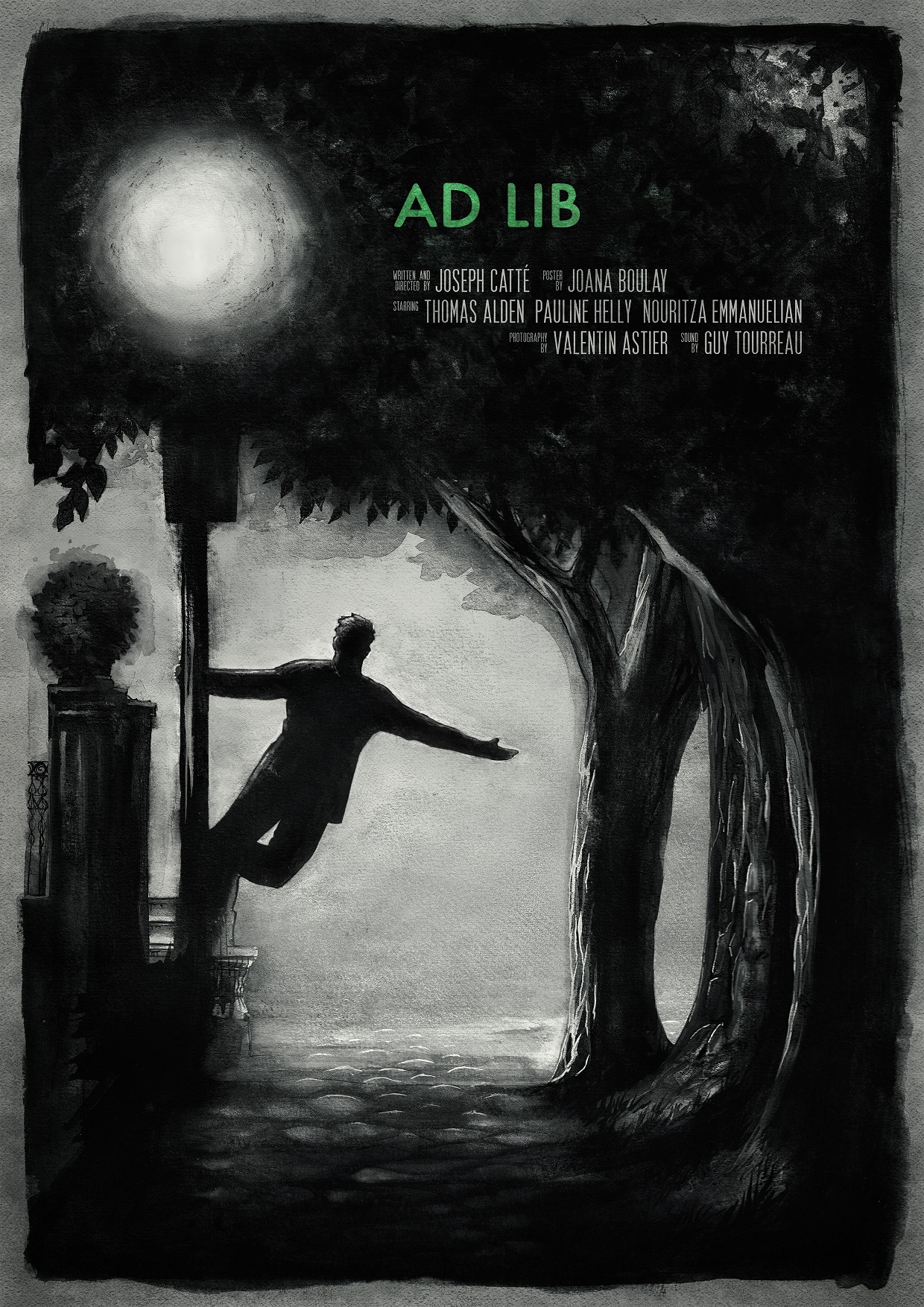
Ad Lib


Here is the edited content for style and clarity:

Understanding Why Victims Stay: Unveiling the Cycle of Abuse in "Ad Lib"

Many outsiders struggle to grasp why someone would remain in a domestically abusive relationship. The truth is, unseen but powerful forces keep victims trapped in these toxic cycles. Abusers are masters of manipulation and control, exploiting their partners' insecurities to weave intricate webs of dependence. Writer-director Joseph Catté's poignant short film, "Ad Lib," offers a glimpse into the complex dynamics of a couple caught in this dangerous pattern, highlighting its ripple effects on others.

A Song of Sorrow and Manipulation:

Leaving a karaoke party, Julie (Pauline Helly) simmers with jealousy towards her boyfriend, Max (Thomas Alden). Mirroring the songs they belted out moments ago, their dialogue unfolds as scrolling lyrics on screen. To appease her, Max launches into a Hollywood-style serenade, professing his love. Initially resistant, Julie succumbs, joining him in the dance. His promises of devotion end with him forcefully embracing her, the joy fading from her face. Back at their apartment, Max provokes an argument that escalates into violence. Julie's roommate (Nouritza Emmanuelian) attempts to call for help, but Max silences her, literally snatching her words from the screen and shoving them back into her mouth.

Breaking the Melody, Not the Cycle:

With his grip on Julie's roommate tightened, Max uses her stolen voice to lure Julie out of the bathroom where she sought refuge. He declares her "lucky" for his love, before being knocked unconscious by the roommate wielding a candlestick. Panic gives way to relief as Julie rushes to his side, her face lighting up when he regains consciousness. The film concludes with an unsettling smile creeping across her face, perhaps anticipating the familiar cycle of reconciliation and calm that often follows the storm.

Beyond the Fantastic:

Catté explains that while music and karaoke inspired the film's style, his underlying goal was to tackle domestic violence from a fresh perspective. The idea of incorporating scrolling lyrics was sparked by observing a couple argue at a karaoke bar. He envisioned their words transforming into tangible text, creating a unique layer of interaction between his characters.

The Title's Echo:

"Ad Lib," referencing a repeated section in music, reflects the cyclical nature of Max and Julie's relationship. Throughout the night, we witness tenderness morph into jealousy, gaslighting, and violence, before Julie seeks temporary safety in the bathroom. The film ends with Julie's hopeful smile, hinting at the possibility of an illusionary calm that precedes the next eruption. Catté emphasizes that although fictional, their story mirrors countless real-life couples trapped in similar cycles, vulnerable to manipulation and repeated forgiveness.

Masterful Storytelling in Miniature:

Despite its brevity, "Ad Lib" packs a powerful punch. Catté seamlessly integrates various elements into the narrative, allowing them to unfold organically. The magical realism blends effortlessly into the world of Max and Julie, showcasing Catté's mastery of storytelling and technical prowess. The taut script avoids unnecessary details, while the camera work immerses us in Julie's emotional turmoil without judgment. Creative special effects, like the characters interacting with lyrics and Max stealing the roommate's voice, enhance the film's message.

A Short Film with Big Impact:

For viewers hesitant about short films lacking substance, "Ad Lib" delivers a world of experiences within its 10-minute runtime. It offers a captivating yet unsettling window into the realities of domestic abuse, urging audiences to confront its complexities.

Call to Action:

"Ad Lib" is currently available on YouTube. If you suspect you are in an abusive relationship (or an abuser seeking help), know that resources are available. In the United States, The National Domestic Violence Hotline offers support and guidance: 1-800-799-7233. International resources can be found on domesticshelters.org.

Sunday, February 11, 2024

Brave New World, Tentative Version, Part 1: Sugar Hill

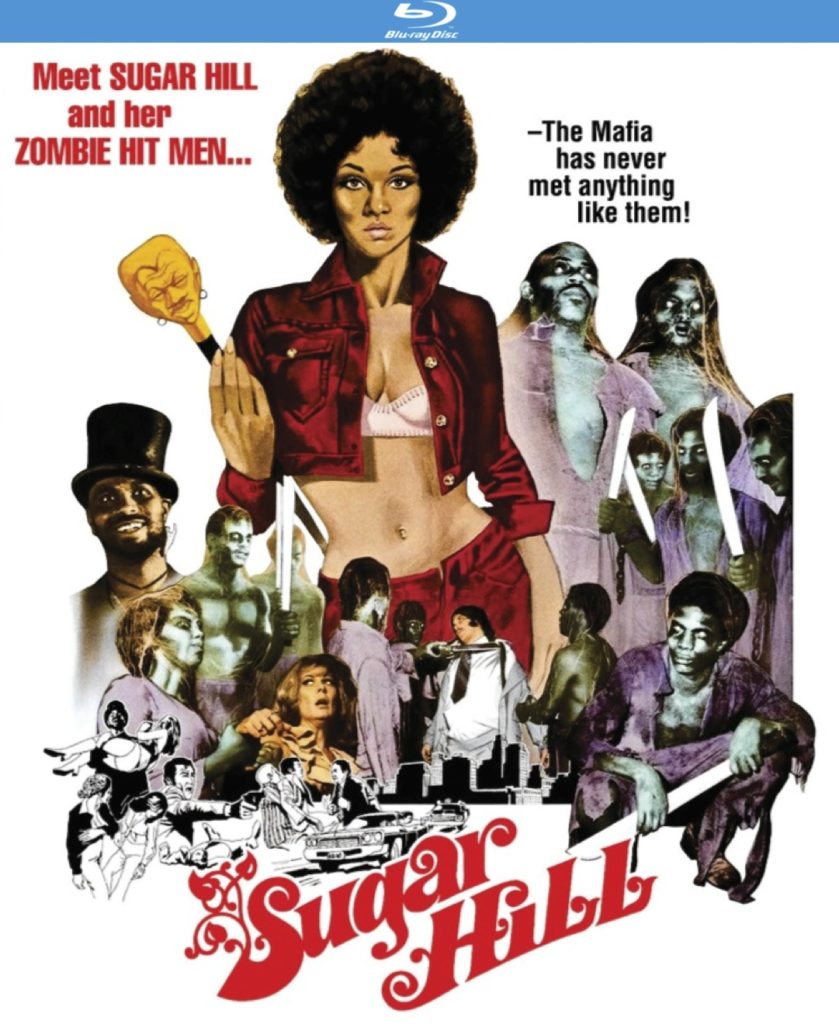
The Emancipation of Sugar Hill Cover


Intrigued by how AI can impact my writing, I'm presenting side-by-side comparisons of past articles and their revisions made with Google's Gemini AI. Brace yourselves!


AI Version of an article that appeared here

Blaxploitation Horror: Unveiling America's Unhealed Wounds

In the 1970s, America grappled with its racist and sexist past, giving rise to powerful movements demanding equality. Popular culture, including horror, reflected these social struggles. In 1974, Paul Maslansky's blaxploitation-zombie flick, "The Emancipation of Sugar Hill," offered a potent commentary on these issues, serving as a time capsule of mid-70s America.

Redefining Blaxploitation

The term "blaxploitation" initially sparked controversy, with some finding it offensive. However, the genre also challenged negative stereotypes, showcasing strong Black protagonists fighting oppression. Notably, blaxploitation films empowered women, highlighting their fight against injustice. "Sugar Hill" stands out by utilizing supernatural forces for vengeance, adding a thrilling twist.

A Story Rooted in History

"Sugar Hill" reflects America's troubled past through its characters and themes. The white crime boss, Morgan, reminiscent of plantation owners, exploits Black communities. Sugar, conversely, embodies independence and resistance. The zombie slaves, still bearing the shackles of their brutal past, find liberation through vengeance. Even the film's religion, Voodoo, emerges from the forced blending of African traditions and imposed Christianity.

Thrills and Chills on a Budget

Despite its limitations, "Sugar Hill" delivers fast-paced excitement. Director Maslansky cleverly integrates modern elements into the Voodoo lore, grounding the film in a relatable setting. The Motown-infused theme song sets the tone, and the filmmakers effectively utilize their resources to create atmosphere, even with modest special effects. The gruesome death scenes, like Fabulous' in the massage parlor, add genuine chills.

More Than Just Revenge

While Sugar's fight involves revenge, it goes beyond personal vendetta. It encompasses reclaiming her heritage, protecting her community from racist predators, and ultimately achieving her own emancipation.

Conclusion:

The blaxploitation films of the 1970s held cultural significance by increasing Black representation, showcasing heroes of all genders, and tackling racial and gender inequalities. "The Emancipation of Sugar Hill" continues this legacy, using horror tropes to deliver a powerful social commentary that remains relevant today.


Sunday, July 2, 2023

 Shocktoberfest 2022

Week One

Welcome to Shocktoberfest 2022, the only horror movie festival curated by me! This is a list of movies I watched to prepare for Halloween, plus a thought or two. Week One is pretty long.  I wish I could watch ten horror movies a week, but work and a non horror movie loving wife need attention. But my wife was traveling and work canceled (because of Hurricane Ian), so I could dig into my Watchlist

Dawn Breaks Behind the Eyes (2021) First time watch! Surreal German film about a couple seeking to reconnect while exploring an old castle. Or is it? Director/writer Kevin Kopacka and co-writer Lili Villányi beguile viewers with their strange tale. This unusual ghost story has an unexpected, psychedelic twist and turns everything upside down. It is available to rent on Amazon. 9 out of 10.

Read The Banshee's review of Dawn Breaks Behind the Eyes here

Hatching (2022) First time watch! A rare treat from Finland. Writer and director Hanna Bergholm presents a fresh take on toxic and dysfunctional family relationships. Awkward 12-year-old Tinja (Siiri Solalinna) bonds with a monstrous creature she hatches from an egg and experiences the pangs of motherhood. Available from Hulu. 9 out of 10.

Heartland of Darkness (1992) First time watch! I saw this as a screener from Visual Vengeance, a movie/television studio devoted to finding forgotten films and giving them a new audience. Heartland, long considered lost, is a low budget, shot on 16 millimeter film about the devil worshiping, baby sacrificing, folks who live in America’s Heartland. This movie earns an extra point for featuring Linnea Quigley as the sexiest high school teacher since Van Halen’s Hot for Teacher video. Visual Vengeance’s Blu-ray will be available in November. 5 out of 10.

Shocktoberfest 2022

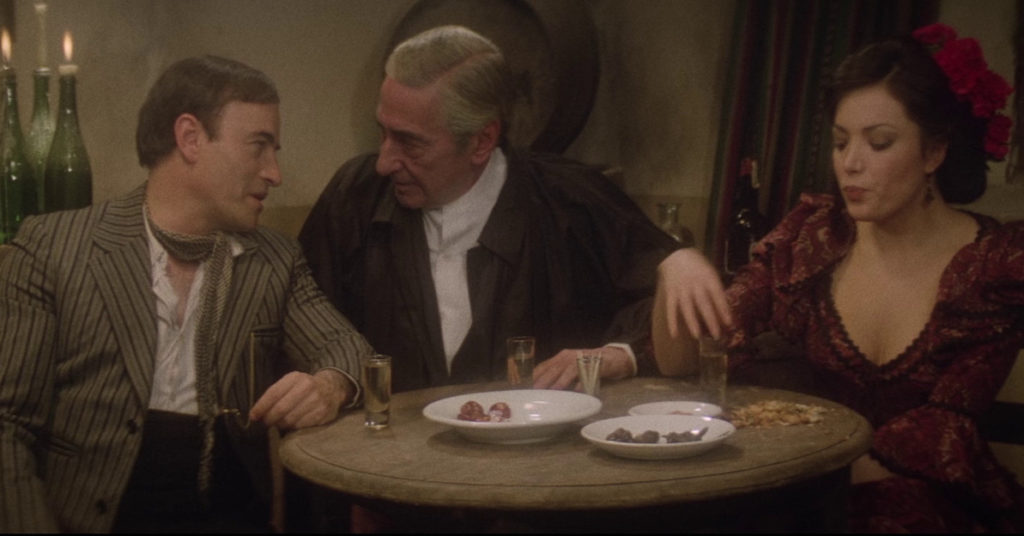
The Frenchman’s Garden (1978) First time watch! A Paul Naschy triple threat - writer (co written with Antonio Fos), director and lead actor. Although shot with great visual flare, the true story of mass-murder Andrés Aldije Monmejis is a slow and tepid drama. Naschy’s script ignores the killings and concentrates on Monmejis’ domestic life as he juggles a wife, a jealous mistress, and pregnant lover.  Mondo Macabro’s Blu-ray has an interview with Naschy and, of course, its notorious trailer reel.  6 out of 10

The Acid Eaters (1967) Other than Pat Barrington’s dancing, this film doesn’t have much to offer.  The story is simple. Released from their 9 to 5 jobs, a group of men and women ride their motorcycles into the country in search of the pyramid of LSD.  A series of bizarre adventures follow and the ladies spend a lot of time out of their clothes. TRIVIA: Punk rock pioneers the Ramones named their album of garage band covers from the sixties The Acid Eaters. 3 out of 10.

X (2022) Ti West’s homage to seventies era Grindhouse keeps getting better every time I watch it. Read my review here.  9 out of 10.

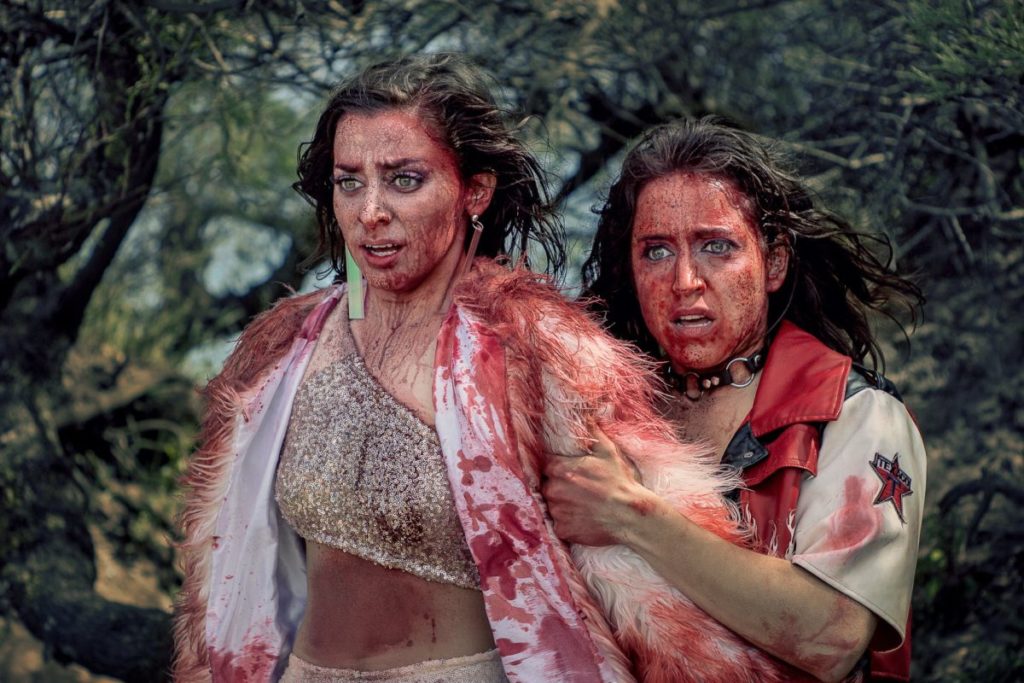
PussyCake (2022) First time watch! South America has been releasing plenty of fantastic horror films in the last several years. Thanks to streaming services, movies like Terrified  (2017), and The Last Matinee (2020) are attracting fans in the US. Argentinian director Pablo Parés sci-fi horror gore-fest about a girls rock band fighting interdimensional slug monsters is an icky mess that you won’t be able to look away from.  The slugs turn people into foam spewing zombies who propagate by vomiting into their victim’s mouths.  This is a very fluid-friendly movie.  If you thought Psycho Goreman needed more dripping entrails, this one’s for you. While not rigorous horror, director Parés and writers Maxi Ferzzola Hernán Moyano made an action-packed, fun movie with great practical effects. Available from Amazon and Google. 7 out of 10.

Read The Banshee's review of PussyCake here

Sissy (2022) First time watch! Another female-centric, fun movie.  This movie has a lot of heart and Aisha Dee as the title character does a superb job engaging the audience. A clever revenge story that takes a sudden turn, Sissy also deals with the lasting effects of bullying. Adult Sissy must face her childhood bully when she reunites with her old best friend. Streaming on Shudder. Seven out of 10. Sissy is currently streaming on Shudder – don’t hesitate to take advantage of our promo for two weeks free!

My Best Friend’s Exorcism (2022) First time watch!  This filmed version of the popular Grady Hendrix novel is another testament of high school Hell. Life can be especially difficult when a demon possesses your best bud. A great movie for younger folks and people who don’t like gory stories.  Rented from Amazon. 7 out of 10.     

Blood and Roses (1960) Roger Vadim’s early adaptation of Sheridan Le Fanu’s Carmilla is a seldom seen masterpiece.  Considered the Holy Grail among vintage Blu-ray studios like Vinegar Syndrome and Mondo Macabro, Blood and Roses is unavailable for a reissue because of extensive copyright issues. The movie is only available as pixelated YouTube videos or poor VHS to DVD-R transfers. Vadim’s use of colored lights and ancient ruins set a standard for the ethereal films of directors to come like Jean Rollin.  DVD-R from DVDLady. 10 out of 10.

What are you planning on watching this month?

Shocktoberfest 2022

Saturday, September 17, 2022

Social Media Post - Taste the Blood of Dracula (1970) or Father Doesn't Always Know Best.

 Taste the Blood of Dracula (1970) or
Father Doesn't Always Know Best. 


In the fifth installment of Hammer Films’ Dracula series, director Peter Sasdy and screenwriter Anthony Hinds (as John Elder) visit the theme of corruption from the older, patriarchal generation in conflict with the youth, themes Sasdy would revisit in his script for Twins of Evil, his final Karnstein trilogy story. Count Dracula himself undergoes an unusual change as he becomes an anti-hero, removing three of society's hypocritical leaders. To do this, he sets their children against the fathers in a revenge orgy of spilled familial blood and terror.

Saturday, August 27, 2022

Social Media Post - Twins of Evil (1971)

Twins of Evil (1971)


Twins of Evil (1971) is Tudor Gates' third and final screenplay of the Karnstein Trilogy for Hammer Films. Taking place long before Lust for a Vampire and The Vampire Lovers, Twins of Evil offers an origin story of the haunted, Satan worshiping Karnsteins. Instead of concentrating on supernatural creatures seeking to destroy families and corrupt their children, Twins of Evil points a finger at the men who use those stories for their own advantage. Unlike the earlier films, the lesbian vampires are practically nonexistent. Lacking the bared breasts and passionate kisses of the earlier films, the audience witnesses scene after scene of conscienceless destruction caused by the two men in the center of the story

Saturday, August 20, 2022

Social Media Post - Lust for a Vampire (1970)

 LUST FOR A VAMPIRE (1971)


In 1970, Hammer Films released The Vampire Lovers, the first film about the sadistic and Satanic Karnstein family. The three movies, known as The Karnstein Trilogy, have become infamous for titillating scenes of nudity and their through-the-male-lens depiction of lesbianism. The films are based on the novella Carmilla by Irish author Sheridan Le Fanu. Polish actor Ingrid Pitt was the first to wear the shroud of Carmilla Karnstein, who destroyed families with her ravenous desire for budding flesh. In Lust For A Vampire (directed by Jimmy Sangster from Tudor Gates’ script), blonde, Danish Yutte Stensgaard takes up the Karnstein, blood-stained funerary garments and heads off to school.

Saturday, August 13, 2022

Social Media Post - The Vampire Lovers (1970)

Social Media Post -  The Vampire Lovers (1970)

 England’s Hammer Films became the new home of gothic horror in the late 1950s when they began remaking the classic Universal monsters movies.  Beautifully shot in vibrant technicolor with elaborate sets and period costumes, the studio included many beautiful, scantily dressed women displaying prominent decolletage straining the seams of their diaphanous nightgowns.

Saturday, July 23, 2022

Social Media Post: Horror Movie Trivia


Horror Movie Trivia Time! 


Did you know that Universal Studios did not give Boris Karloff credit for playing Frankenstein's Monster?  A question mark stands in the place of his name in the opening credits.


It wasn't until the final credits rolled at the film's December 4, 1931 premier that the audience learned the name of the actor whose sympathetic portrayal of the monster had touched them?
Karloff himself was not even invited to the premier!


Saturday, July 16, 2022

Social Media Post - Revenge (Coralie Fargeat 2017)

 Social Media Post - Revenge 

SPOILER ALERT!

 The on-screen depiction of acts of violence against women, especially rape, and the victim’s response (especially if it resembles revenge) have always provoked powerful responses from the viewing public and critics. One troubling aspect, according to Carol Clover in her 1992 book, “Men, Women, and Chain Saws,” is the male audience’s sadistic and voyeuristic reaction to the suffering of the victim and her turn to avenging hero. She describes how theater audiences, of mostly adolescent males, undergo a curious identification switch during the film - first they watch and cheer at the attack on the victim, depicted in unflinching, graphic displays. Then they “reverse their sympathies to cheer the survivor on as she assaults the killer” (Carol Clover - Men, Women, and Chainsaws, p23).

Wednesday, July 6, 2022

Social Media Post: WIWLN Goes to Paris


"Stop! This is the Kingdom of the Dead"

Where does horror reside? One answer is in the abject. The abject is a place where we are exposed to transgressive objects - things that should not be or fewest things that should not be seen. Crossing into the abject is to abandon the known, familiar and welcoming for the unknown, unfamiliar and unwelcoming. As horror fans, we are often dedicated to exploring the abject from the safety of our friendly places.


Our own bodies are often the first exposure to this frightful realm. Knowledge of the whole unseen world under our skin can be both fascinating and frightening. The first sight (or taste!) of blood, seeing the exposed organs of a carcass or the pictures in my mother’s anatomy textbooks and the first time touching a corpse are cemented in my mind. These days, encountering a skeleton outside its meat envelope is no longer disconcerting, but being amongst the six million skeletons residing in the Paris Catacombs was a somber reminder of what awaits us all.


Dr. Pretorius toasts a freshly harvested skeleton's new life in The Bride of Frankenstein.


Monday, June 27, 2022

The Killer Victim - Social Media Post

 The Killer Victim


Two of the most common motives in revenge films are the Lex Talionis Adjudication and Survival Mode. Lex talionis is Old Testament, eye for an eye justice. An act of righteous retribution, delivered by the victims, balances the scales. In Survival Mode, the priorities are different. The victim must turn the tables on the killer to stay alive. 

Saturday, June 11, 2022

Social Media Post: Horror Rises from the Tomb

Horror Rises from the Tomb (1973)


Spanish horror cinema from the 1970s is full of mind bending craziness. Screenwriter and director Jacinto Molina Alvarez, better known as Paul Naschy, holds an especially enduring place within that lunacy. His 1973 Horror Rises from the Tomb, (El espanto surge de la tumba) is an excellent example of his love of classic horror cinema and his “everything but the kitchen sink,” over-the-top storytelling. His script explores the eternal nature of evil and the power of good to overcome it. There are ancient warlocks and witches, multi-generational curses, bloody hearts being ripped out of living bodies, and plenty of other audacious delights.

Tuesday, June 7, 2022

Social Media Post: A Taste of Blood


A Taste of Blood , Argentina


Last week I got a chance to watch a pre-release screener of Argentinian vampire film Sangre Vurdalak, which has been on my watch list since 2020! The movie will be available in North America on Blu-ray and VOD on May 10th as A Taste of Blood. directed by Santiago Fernandez Calvete and based on Aleksey Tolstoy’s 1839 short story “The Family Of The Vourdalak.'' The film examines a family coming apart as they battle a monster whose main weapon is their love for each other.
 
Mario Bava previously filmed the “Family of the Vourdalak” in 1963 as part of his Black Sabbath anthology, with Boris Karloff giving one of his finest performances as Gorca, the family patriarch. Calvete has done an admirable job of updating the story and moving the setting to rural Argentina while keeping the elements the same as the source: a family waits in anticipation for the return of their father, worried that he has been turned into a vampire. There are a couple of pretty good scares, but also some heartbreaking moments, as the director points out that those who love us the most are also the ones that hurt us the most.

Releasing May 10, the film stars German Palacios, Tomas Carullo Lizzio, Naiara Awada, Lautaro Bettoni and Alfonsina Carrocio.

Wednesday, June 1, 2022

Social Media Post Eaten Alive! (1976), directed by Tobe Hooper

 Eaten Alive 1976 Tobe Hooper (Why is this crocodile still hungry?)


Eaten Alive! takes the viewer on a journey to the darkest heart of America that can be found the swamps of Texas. Tobe Hooper's first feature film after the iconic Texas Chainsaw Massacre (1974) invites guests to spend a night in terror at the Starlight Hotel, struggling to survive proprietor Judd’s swinging scythe and the hungry jaws of his pet crocodile in this underrated masterpiece.


First 15 minutes makes TCM appear demur as a young prostitute is ejected from her whore house for refusing to have anal sex with Buck (pre-Nightmare on Elm Street, Robert Eglund), who declares “My name is Buck and I’m raring to…” Seeking shelter at a local hotel, Clara (Roberta Collins) is slaughtered by disturbed Vietnam Vet Judd (Neville Brand) and fed to his crocodile. From this point forward, Eaten Alive! begins introducing a string of disaffected Americans, all searching for something or on their way to something better only to find their quests cut short at The Starlight Motel. Notable among the victims is distinguished actor Mel Ferrer, who also was in another Eaten Alive! - Umberto Lenzi’s 1980 cannibal fest. Also, Marilyn Burns (TCM’s Sally Hardesty!) again proves she was one of Hollywood's toughest actors as Faye, a suburban mom traveling with her child and neurotic husband.


Eaten Alive! featured veteran actors Stuart Whitman and Carolyn Jones (proto-goth-girl Mortician Adams from the The Addams Family TV series in the 1960s). Decorated World War II soldier turned actor Neville Brand turned in a thoroughly over-the-top performance as the bitter, paranoid and completely insane Judd.


Not nearly as well known as Texas Chainsaw Massacre, Eaten Alive! left a definite mark on popular culture. When released on VHS in England, it was declared a video nasty and removed from rental shelves in 1982. Quentin Tarantino referenced its opening lines in 2003’s Kill Bill: Vol. 1: sleazy orderly Buck introduces himself to the comatose Bride, “My name is Buck and I’m here to…”

Eaten Alive! is currently streaming on Shudder and Tubi.